
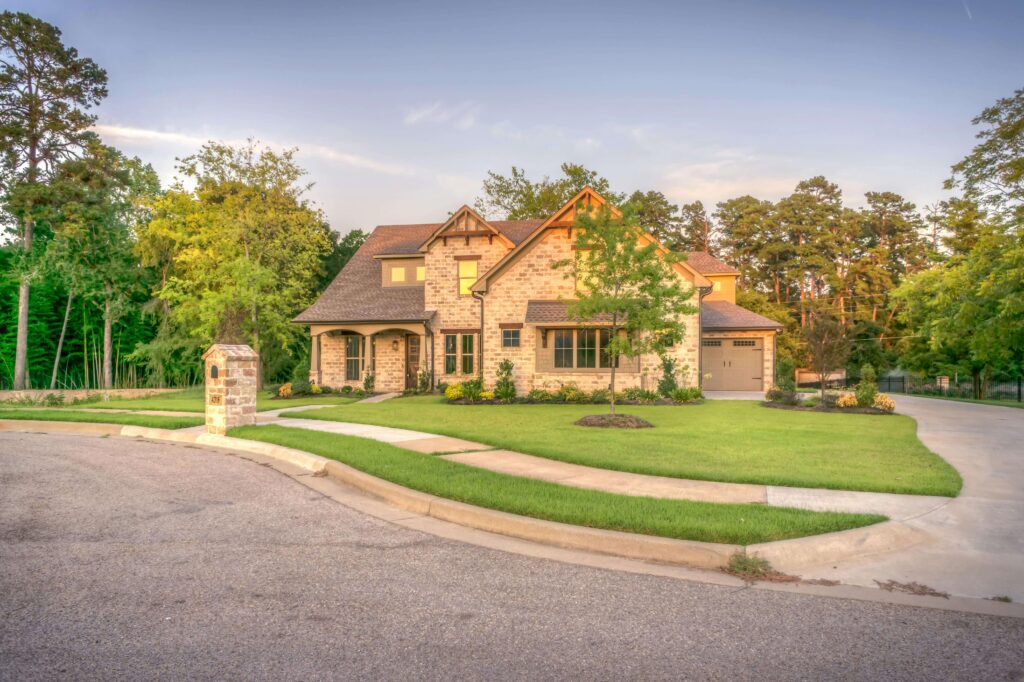
How Much Money Do You Really Need to Buy a House in Washington State in 2026?
Buying a house in Washington can feel a little like trying to get into a secret club.
Everyone online is yelling different numbers.
One person says you need 20% down.
Another says you can buy with almost nothing out of pocket.
A cousin’s friend’s barber says, “Don’t even try unless you have $100,000 saved.”
Helpful.
So let’s clear it up.
The honest answer?
The amount of money you need to buy a house in Washington in 2026 depends on:
- the price of the home
- the loan type
- your credit and income
- whether you qualify for down payment assistance
- and whether you’re buying a normal suburban home… or a property with a septic system, a well, and a mysterious shed that may or may not have its own backstory
If you’re a first-time buyer, a move-up buyer, or relocating from Seattle, Portland, California, or out of state, this guide will help you understand what you really need — not just the obvious stuff.
And yes, I’ll keep it in plain English.
The Short Answer: Many Buyers in Washington Need Less Than They Think
Let’s start with the myth that causes the most stress:
No, you usually do NOT need 20% down to buy a house in Washington.
That’s one of the biggest reasons people delay buying for years.
In reality, many buyers use loan programs with lower down payment options such as:
- 3% down
- 3.5% down
- 5% down
- or other options depending on the loan and lender
There are also Washington programs that may help qualified buyers with down payment or closing costs. For example, BECU’s page for the Washington State Housing Finance Commission’s Home Advantage program says qualified buyers may receive 4% of the loan amount as down payment or closing cost assistance in the form of a deferred second mortgage.
That means some buyers are much closer than they think.
But…
The down payment is only one piece of the puzzle.
This is where most people get surprised.
What You Actually Need to Budget For When Buying a House in Washington
Here are the real buckets of money to plan for:
- Down payment
- Earnest money deposit
- Closing costs
- Inspection costs
- Appraisal gap risk (sometimes)
- Moving/setup costs
- Emergency cushion
- Rural or small-town “surprise” costs (very important in places like Cowlitz and Wahkiakum Counties)
Let’s break these down.
1) Down Payment: Usually the Number Everyone Obsesses Over
This is the amount you contribute toward the purchase price.
Example:
If you buy a $350,000 home:
- 3% down = $10,500
- 3.5% down = $12,250
- 5% down = $17,500
- 10% down = $35,000
- 20% down = $70,000
That 20% number is what scares people.
And yes — 20% can be great if it fits your goals.
But many buyers do just fine with less.
What matters more than the down payment number alone?
Ask this instead:
“Can I comfortably afford the monthly payment, the upfront costs, and still have breathing room after closing?”
That’s the real question.
Because being “house rich and ramen poor” is not the dream.
2) Earnest Money: The “I’m Serious” Deposit
Earnest money is money you put down after your offer is accepted to show the seller you’re serious.
Think of it like saying:
“I promise I’m not just emotionally attached to this kitchen backsplash.”
In many cases, this money is later credited toward your purchase.
A realistic range:
This can vary by market and price point, but many buyers should expect something like:
- 1% to 3% of the purchase price in some situations
- sometimes less
- sometimes negotiated differently depending on the property and competition
Example on a $350,000 home:
- 1% = $3,500
- 2% = $7,000
That doesn’t mean every buyer needs that exact amount, but it’s smart to be prepared.
Important note:
You don’t want to confuse earnest money with extra cost.
It’s usually not “lost money” if the transaction proceeds normally — it’s typically applied toward what you already owe at closing.
But it does mean you need access to those funds at the right time.
3) Closing Costs: The Part Nobody Explains Well Enough
This is where buyers often say:
“Wait… I thought the down payment was the money part.”
Nope. That was just the opening act.
What are closing costs?
These can include things like:
- lender fees
- appraisal fee
- title fees
- escrow fees
- credit report
- underwriting
- prepaid taxes/insurance
- recording fees
- other transaction-related costs
What’s a realistic number in Washington?
A recent Bankrate state-by-state analysis estimated average Washington closing costs at $5,995 including taxes, though actual costs vary by purchase price, lender, county, credits, and loan structure.
Other sources estimate Washington can land higher depending on how they calculate taxes and home prices, so don’t lock onto one “perfect” statewide number. The exact amount depends heavily on the property and financing.
A simple rule of thumb:
For planning purposes, many buyers should assume:
Closing costs may land somewhere around 2%–5% of the purchase price
…unless lender credits, seller credits, or assistance programs reduce that.
That’s not a quote. It’s a planning range.
Example on a $350,000 home:
- 2% = $7,000
- 3% = $10,500
- 4% = $14,000
- 5% = $17,500
That’s why a buyer who says:
“I have enough for 3% down!”
…may still need a better plan.
Thinking about buying but not sure how close you really are?
I created a free buyer training that breaks this down in simple English — including what smart buyers in Washington do before they start touring homes.
4) Home Inspection: The Best Money You’ll Spend
Please don’t skip this just because a home “looks cute.”
A house can look charming and still have:
- roof issues
- plumbing surprises
- electrical concerns
- moisture problems
- foundation concerns
- heating/cooling issues
- “DIY renovations” by someone who believed deeply in YouTube
Typical inspection cost
This varies, but many buyers should expect to pay several hundred dollars for a standard home inspection, and possibly more if they add specialty inspections.
Depending on the property, you may also consider:
- sewer scope
- septic inspection
- well water testing
- pest inspection
- structural review
- radon (if relevant)
- mold/moisture follow-up
And if you’re buying in Cowlitz County or Wahkiakum County, or looking at more rural/small-town properties, these extra inspections can matter a lot more than they do in some urban areas.
5) The Rural Property Costs Most City Buyers Never See Coming
This is especially important if you’re moving from:
- Seattle
- Portland
- California
- or another state
Because buying in Southwest Washington small towns is often not the same as buying in a big city.
And I say that lovingly.
You may be looking at:
- more land
- older homes
- manufactured homes
- septic systems
- wells
- outbuildings
- private roads
- flood considerations in some areas
- internet or utility differences
- homes with “character”
(which is real estate code for: please inspect this thoroughly)
These can create extra costs like:
- septic inspection or pumping
- well water testing
- private road maintenance questions
- insurance differences
- manufactured home financing restrictions
- repair items the seller may or may not credit
- unexpected utility or service setup issues
This is one of the biggest reasons buyers relocating from larger metro areas can accidentally underestimate what they need.
A “cheaper” home price does not always mean a cheaper buying experience.
6) Appraisal Gap: Not Always a Problem, But Worth Knowing
If the home appraises lower than your agreed purchase price, your lender may only lend based on the appraised value.
That can create an appraisal gap.
Example:
- You offer: $360,000
- Appraisal comes in at: $345,000
- Potential gap: $15,000
Depending on the contract and negotiations, that could mean:
- renegotiating
- seller reducing price
- buyer bringing in extra cash
- or the deal changing direction
This doesn’t happen on every deal.
But it’s one of those “nobody told me that” moments buyers should understand ahead of time.
7) Moving Costs, Utility Setup, and the “Life Is Still Happening” Budget
A lot of buyers budget for the house… and forget they are still actual humans with actual expenses.
Don’t forget:
- moving truck or movers
- deposits or setup fees
- cleaning supplies
- new locks
- blinds/curtains
- small repairs
- furniture you suddenly “need”
- lawn tools if you now own land
- random trips to Home Depot where you spend $247 and leave with… two hoses and a broom
These aren’t always huge individually.
But together? They can sneak up on you.
8) Your Emergency Cushion: Please Don’t Spend Every Dollar to “Win” the House
This is one of the most important parts.
Some buyers think:
“If I can just barely get the keys, I’ll figure the rest out.”
That sounds brave.
It can also be financially stressful.
Try not to empty every account just to close.
A healthy buyer plan usually includes some kind of reserve for:
- repairs
- unexpected bills
- appliance failure
- job shifts
- normal life
Because the dishwasher doesn’t care that you just closed.
So… How Much Money Do You Really Need?
Let’s do a realistic sample for a $350,000 home in Washington.
Example Budget: 3% Down Scenario
Purchase price:
$350,000
Down payment (3%):
$10,500
Earnest money (example only — varies):
$3,500–$7,000
(Usually credited toward your purchase, but you need access to it when due.)
Closing costs (planning range example):
$7,000–$14,000+
(Could be less or more depending on lender, credits, taxes, price, county, etc.)
Inspection + possible add-ons:
Several hundred to $1,500+ depending on property and extra inspections
Moving/setup buffer:
$1,000–$5,000+ depending on your situation
Recommended emergency cushion:
Ideally something left after closing
What this means in plain English
A buyer looking at a $350,000 home may not need $70,000.
But they also probably shouldn’t assume:
“I have 3% down, so I’m ready.”
A more realistic plan might be:
“I want enough for the down payment, closing costs, inspection money, and some breathing room.”
That’s the real goal.
Can You Buy With Less Than This? Sometimes, Yes.
This is where strategy matters.
Depending on your situation, some buyers may reduce upfront costs through:
- down payment assistance
- lender credits
- seller credits
- gift funds (if allowed by the loan program)
- negotiating repairs vs credits
- choosing the right loan structure
Again, BECU’s page for the WSHFC Home Advantage program says qualified buyers may get 4% of the loan amount in assistance as a deferred second mortgage for down payment or closing costs.
That’s why talking to the right lender + the right agent early can make a huge difference.
Not because they “push you to buy.”
Because they help you understand:
“Am I 18 months away… or am I actually 3 months away?”
Those are very different life decisions.
What About Mortgage Rates in 2026? Should You Wait?
Ah yes. The question.
The internet’s favorite sport:
“Should I wait for rates?”
As of mid-March 2026, recent reporting showed average 30-year mortgage rates still a little above 6% nationally, with recent figures around 6.11% from Freddie Mac and other recent reporting in the 6.2%–6.3%+ range depending on the source and day.
What does that mean?
It means rates are lower than the worst highs people saw in recent years… but still high enough that affordability matters a lot.
Should you wait?
Sometimes yes.
Sometimes no.
The better question is:
“If I wait, what exactly am I waiting for?”
- A lower rate?
- More savings?
- Better credit?
- More stability?
- More inventory?
- Or just fear to go away?
Because if you’re waiting for the market to become emotionally comforting… that market may not exist.
The Biggest Mistake Buyers Make in Washington
Here it is:
They focus only on the down payment and ignore the full plan.
That leads to one of two problems:
Problem #1: They wait way longer than necessary
Because they think they need far more cash than they actually do.
Problem #2: They jump in too early
Because they only budgeted for the down payment and forgot:
- closing costs
- inspections
- reserves
- moving
- rural property surprises
The sweet spot is in the middle:
Not rushed. Not paralyzed. Prepared.
That’s where smart buyers live.
If You’re Buying in Cowlitz County or Wahkiakum County, Here’s My Honest Advice
If you’re buying in Longview, Kelso, Kalama, Castle Rock, or nearby small-town/rural areas, do this before you start falling in love with listings online:
1) Get clear on your true monthly comfort zone
Not your “technically approved” number.
Your peaceful sleep at night number.
2) Know your full upfront budget
Not just the down payment.
3) Understand property type differences
A regular in-town home is not the same as:
- acreage
- septic/well property
- older fixer
- manufactured home
- private road setup
4) Work with people who understand your actual market
Especially if you’re relocating from a bigger city where the buying process feels different.
Because yes, the house may be cheaper.
But the wrong kind of “cheaper” can get expensive fast.
Final Answer: How Much Do You Really Need?
The honest answer:
Many buyers in Washington in 2026 need less than 20% down…
…but more than just the down payment.
A smart buyer should plan for:
- down payment
- earnest money access
- closing costs
- inspection costs
- possible property-specific costs
- moving/setup costs
- some financial breathing room
If you’re buying in Southwest Washington, especially in areas like Cowlitz County or Wahkiakum County, that planning matters even more because small-town and rural properties can come with extra moving parts.
And the goal is not just to “get approved.”
The goal is to buy well.
Want Help Figuring Out If You’re Closer Than You Think?
If you’re wondering:
- “How much do I actually need?”
- “Can I buy with less than 20% down?”
- “Am I ready now or should I wait?”
- “What should I know before talking to a lender?”
- “What mistakes do buyers make in Washington that cost them money?”
…I created a free buyer training to help you understand the process in plain English before you make expensive mistakes.
👉 Click here to sign up for my free training
FAQ Section
Do you need 20% down to buy a house in Washington State?
No. Many buyers use loan programs with lower down payment options such as 3%, 3.5%, or 5%, depending on the loan and lender.
What are closing costs in Washington State?
Closing costs vary, but a recent Bankrate analysis estimated average Washington closing costs at $5,995 including taxes, though your actual total can vary significantly based on home price, county, lender, taxes, and credits.
Can first-time home buyers get help in Washington State?
Possibly. Some buyers may qualify for assistance programs. For example, BECU’s page for the WSHFC Home Advantage program says qualified buyers may receive 4% of the loan amount for down payment or closing costs as a deferred second mortgage.
How much should I save before buying a house in Washington?
A better approach than chasing one magic number is to save for:
- your likely down payment
- closing costs
- inspection costs
- moving/setup costs
- and a small emergency cushion after closing
Is buying in Cowlitz County or Wahkiakum County different from buying in Seattle or Portland?
Often, yes. Smaller-town and rural properties may involve additional considerations like septic systems, wells, private roads, older homes, acreage, manufactured home financing, and other property-specific costs.